

Social Media Promotion on a Budget
In the time of COVID-19, marketing has changed everything – from the way people work to how they communicate with each other. From this time forward, social media marketing must be a key component of your overall business plan. Social media promotion is an effective way to reach new customers and grow your business.
But it can seem expensive, especially if you're just starting out and don't have much fat in your budget. So how do marketers working with limited budgets make the most of their social media presence?
Social Media Promotion on a Budget
In this article, we’ll discuss strategies and give you some tips that will help you get started.
Plan Your Content

The first thing to do before you start promoting your business is to create a social media marketing strategy.
It's essential to think through everything that will drive your content: your primary objectives, your target audience, what topics and types of content you will publish, what platforms are the most relevant to your potential customers, and more.
Once you can answer these questions, you’re ready to start developing a strategy that will help you reach your goals. It doesn't have to be expensive: you can find plenty of templates and free resources online.
Do Platform Research
Social media platforms like Facebook, Twitter, and Instagram are great for content marketing because the information you share with your followers is available not only to them but their friends and relatives as well. An essential aspect to understand here is that all platforms are not equal.
Each has its own way of working, and it's important to choose the ones where you're most likely to reach your desired audience. For example, Twitter is all about connecting and letting people share their thoughts with a big audience via short text messages or tweets. On the other hand, the primary purpose of Instagram marketing is to share creative ideas through photos and videos.
Features like shorts and live streams, which are widely used on YouTube and Tiktok, are other great options for directly interacting with an audience and engaging influencers.
Create Engaging Content and Attractive Visuals
You need to focus on creating content that appeals to your target audience. This doesn’t mean that you have to spend hours on creating perfect effects or long blog posts (although those things can help).
Just make sure your social media graphics like thumbnails, infographics, images, and videos are eye-catching and engaging. People are more likely to share something if it looks visually appealing, so take the time to create content that is enjoyable to read or watch. Not only is this cost-effective, but it also enables you to control the message you’re putting out there.
Use Relevant Hashtags

In social media, hashtags are a type of metadata tag that can be added to posts such as tweets and photos to categorize different topics and enable people to easily find posts relevant to a particular topic or theme.
For example, if someone wants to follow the hashtag #marketingtips, they will have access to every post tagged with that hashtag on their timeline. The use of relevant hashtags is an important part of any social media strategy because it helps increase visibility among your target audience and grow your follower base.
You should always include hashtags for every post you publish so you can reach more people interested in the same topics as you. But don't overuse them: too many can make your content seem spammy.
Be Consistent
Scheduling regular social media posts ahead of time can help you stay on top of your promotional activities without feeling overwhelmed.
Activity and engagement are key features on social media. In general, the more frequently you post on social networks, the higher engagement rates will be with your followers because they'll have fresh content at their fingertips regularly. But remember that quality will always trump quantity.
Your goal should be to create content that is interesting, informative, and shareable. If you can combine this with consistency of posting, you'll be well on your way to social media success. It's also important not to neglect your audience: respond to comments and questions in a timely manner, as nothing will turn off potential customers more than being ignored.
Use Appropriate Software
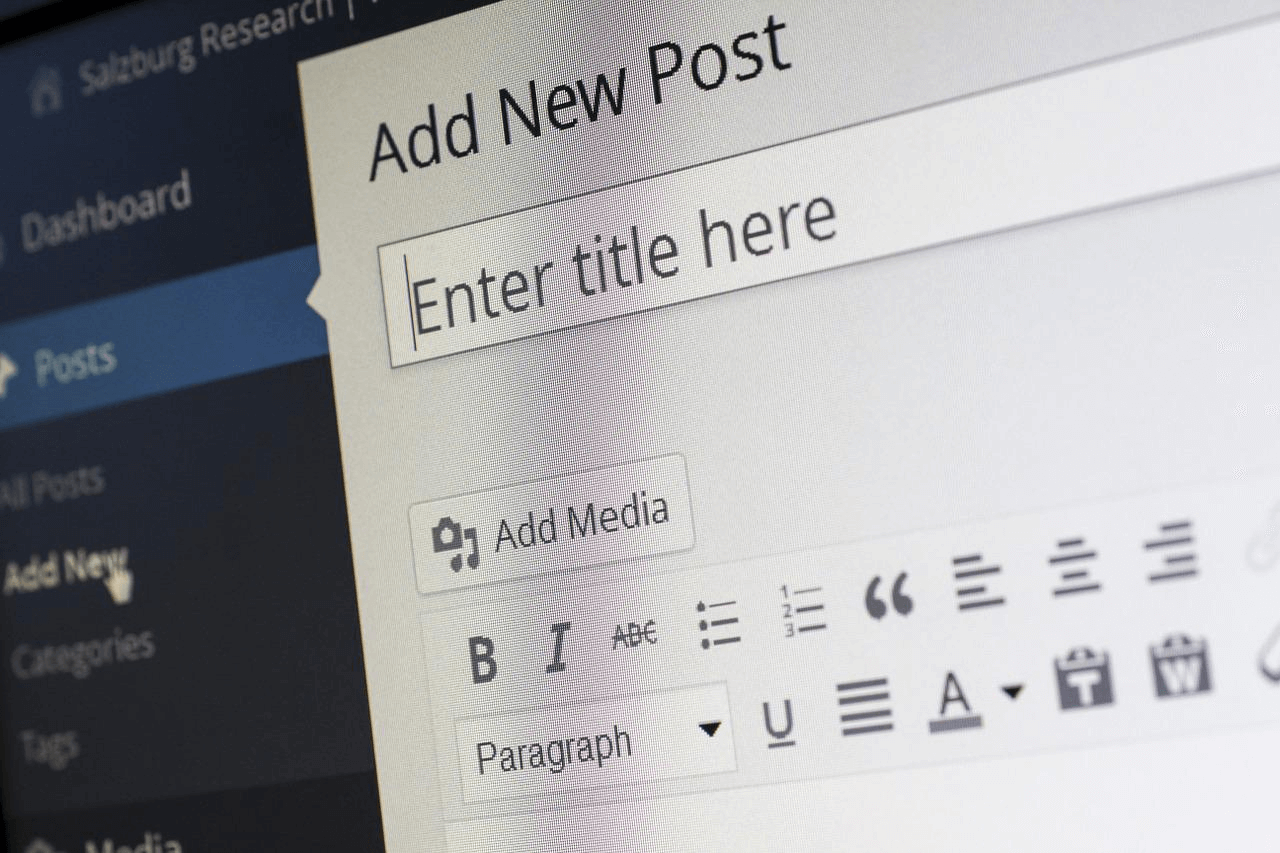
There is no doubt that the type of content you post has a direct impact on your social media performance.
But whether you're tweeting GIFs, publishing YouTube videos or posting photos on Instagram, your content must be high-quality to attract more viewers. This is where quality multimedia tools come in handy.
They will help you to conveniently, quickly and, most importantly, efficiently perform the tasks you need: from video editing to screen recording, from photo processing to file conversion and so on. Many of these tools are available for mobile devices and even as online services, which greatly facilitates the work.
Take Advantage of Social Media Advertisings
Ads can help you reach a wider audience and make progress towards your desired results.
Targeted advertising is one tool for promoting your product or service that focuses on the specific interests of individual consumers by tracking their activity on the internet.
It is based on demographic and behavioral data, including age ranges, life events, and TikTok views. Platforms like YouTube, TikTok, and Instagram offer affordable advertising options that enable you to target your audience with a high degree of precision.
When you use paid social media advertising, you can be sure that your content is being seen by people who are interested in what you have to say. It’s a great way to get your content in front of many people without breaking the bank.
Promote Across Social Platforms and Find Influencers
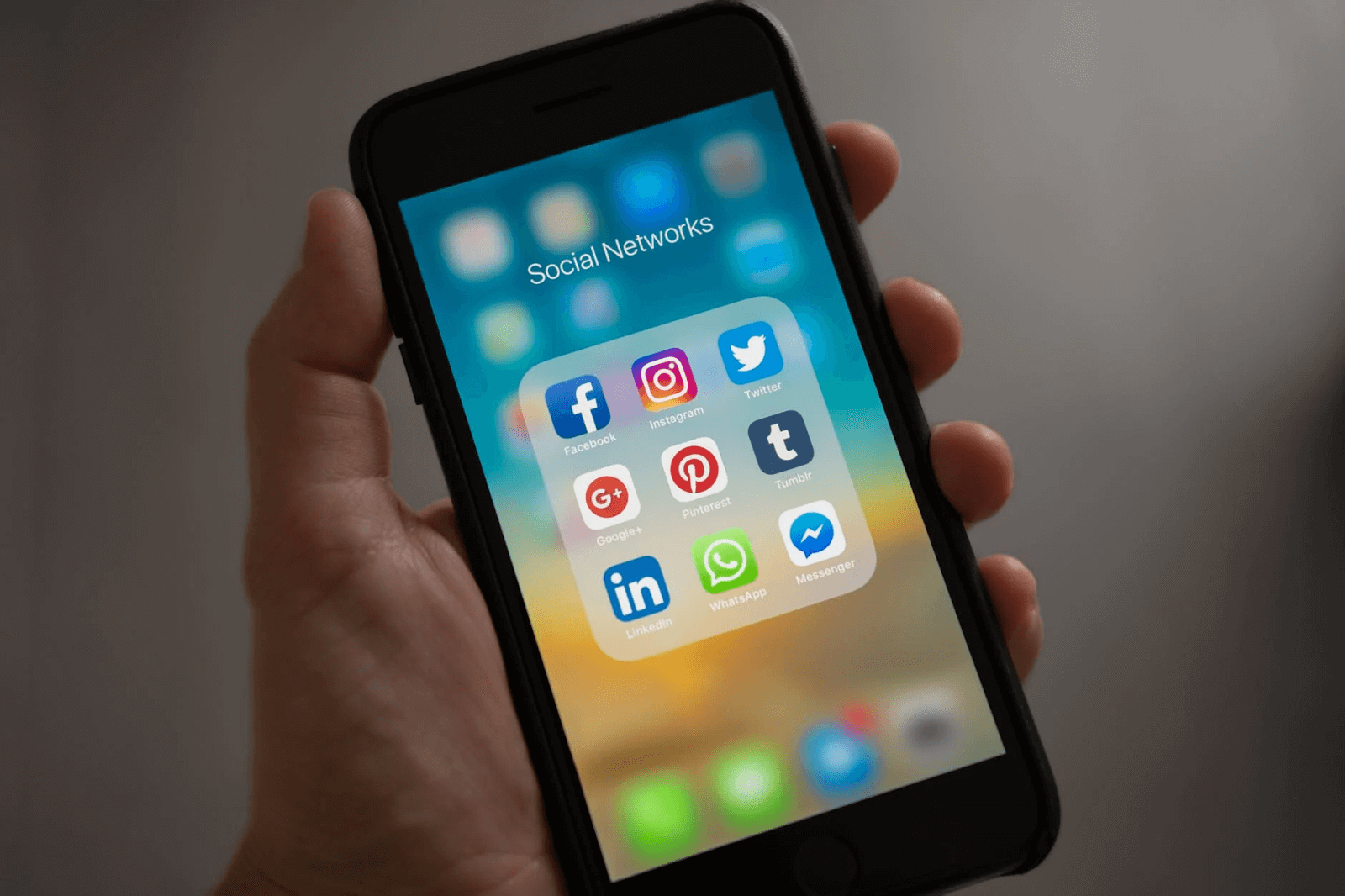
Another great way to grow your viewer number is to cross-post.
Cross-posting is the process of posting similar content across multiple social media channels. It saves time and resources, as you don't need to create unique content for each platform, increases brand awareness, and keeps your accounts up-to-date.
You can also use URL shortener to help you cross-promote your products, posts, or services with any of the links you share and drive more traffic to your site. Another effective way to promote your content is through social media influencers.
Using a custom URL shortener like Rebrandly lets you create branded links, links that incorporate your domain name, hence, your brand. In this way, you can increase brand awareness with every link you share, even if people do not click. For those promoting products on Amazon, using an Amazon link shortener can help streamline your links while maintaining a professional appearance that improves credibility and trust among consumers. Furthermore, your marketing actions will get two immediate benefits:
a) higher click through-rate: people click on the brand they trust instead of a generic one;
b) better deliverability: if the links you include in your emails social and SMS incorporate a reputable domain name it will hardly get into spam folders.
Find users who have a large following in your target audience and reach out to them by engaging with their content, sharing it, and tagging them in posts or direct messaging. They can give you a boost by sharing your content with their followers. Finally, don’t forget about the power of word-of-mouth marketing.
Encourage your customers and clients to leave reviews on your social media pages, and make sure to share any positive press you receive.
Analyze Your Performance
Don't forget to monitor your social media analytics to track your performance and identify areas for improvement: check statistics on views, comments, likes and dislikes, and make changes if necessary.
By regularly checking your analytics, you can fine-tune your social media strategy to ensure that you're getting the most out of your promotion efforts. You can also use social media analysis tools to help with this.
These tools can give you insight into who your followers are, when they’re online, and what kind of content they engage with. This information is crucial for creating an appropriate social media marketing strategy.
Using a URL Shortner to Optimize Your Links
Using a custom URL shortener like Rebrandly lets you create branded links, links that incorporate your domain name, hence, your brand. In this way, you can increase brand awareness with every link you share, also if people do not click.
Furthermore, your marketing actions will get two immediate benefits: a) higher click trough-rate: people click on the brand they trust instead of a generic one; b) better deliverability: if the links you include in your emails social and SMS incorporate a reputable domain name it will hardly get into spam folders.
Wrap Up
If you're looking for social promotion on a budget, these are just a few of the options available to you. By using a combination of strategies, you can reach your target audience and grow your business on a budget.
Do some research and experiment with different strategies to see what works best for you.
And always remember that social media is a marathon, not a sprint, so be patient and consistent with your efforts, and you will see results.
Recommended Posts
![How to Upload [YouTube Shorts] to Grow Your Channel Easily](https://webnus.net/wp-content/uploads/2023/01/How-to-Upload-YouTube-Shorts-to-Grow-Your-Channel-Easily-270x135.jpg)
How to Upload [YouTube Shorts] to Grow Your Channel Easily
January 15, 2023
