Quick Answer
PressWhizz is the best link-building marketplace in 2026 for agencies, brands and SEO teams that build links every month. It combines 72,000+ curated publishers, research tools such as Content Search and Competitor Link Intel, 12-month placement protection and an optional fully managed service.
PublisherBay ranks #2. It’s a focused marketplace of 4,000+ vetted publishers (all DR 20+) with live placement checks, 90-day protection and fixed-price packages. It suits teams that want a short, curated shortlist instead of a huge catalog.
WhitePress (#3) suits buyers who need the largest multilingual network (148,000+ websites in 36 languages). Bazoom (#4) suits teams that want strategy guidance alongside self-service ordering.
Link-building marketplaces have made it much easier to find publishers and arrange placements.
Instead of searching for websites one by one, finding contact details and discussing every placement over email, buyers can now compare publishers, check their data and place orders through a single platform.
WhitePress, Bazoom and PressWhizz all make this process easier, but each has a different focus. WhitePress has a large international publisher network, while Bazoom combines its marketplace with strategy support.
PressWhizz takes things further with publisher research tools, AI and automation, campaign management, self-service ordering and a fully managed link-building option.
Each platform has something to offer, and the right choice will depend on the type of campaign being run. For agencies, brands and SEO teams building links regularly, PressWhizz offers the most complete package of the three.
Table of Contents
WhitePress, Bazoom, PressWhizz and PublisherBay Compared
The numbers are a useful starting point, but the size of the publisher network is only one part of the comparison.
These figures come from the platforms themselves and may change as new publishers are added. The size of the network is useful to know, but buyers also need to consider how easy it is to find relevant publishers, compare them and manage placements once they are live.
A Large Publisher Network Is Only the Starting Point
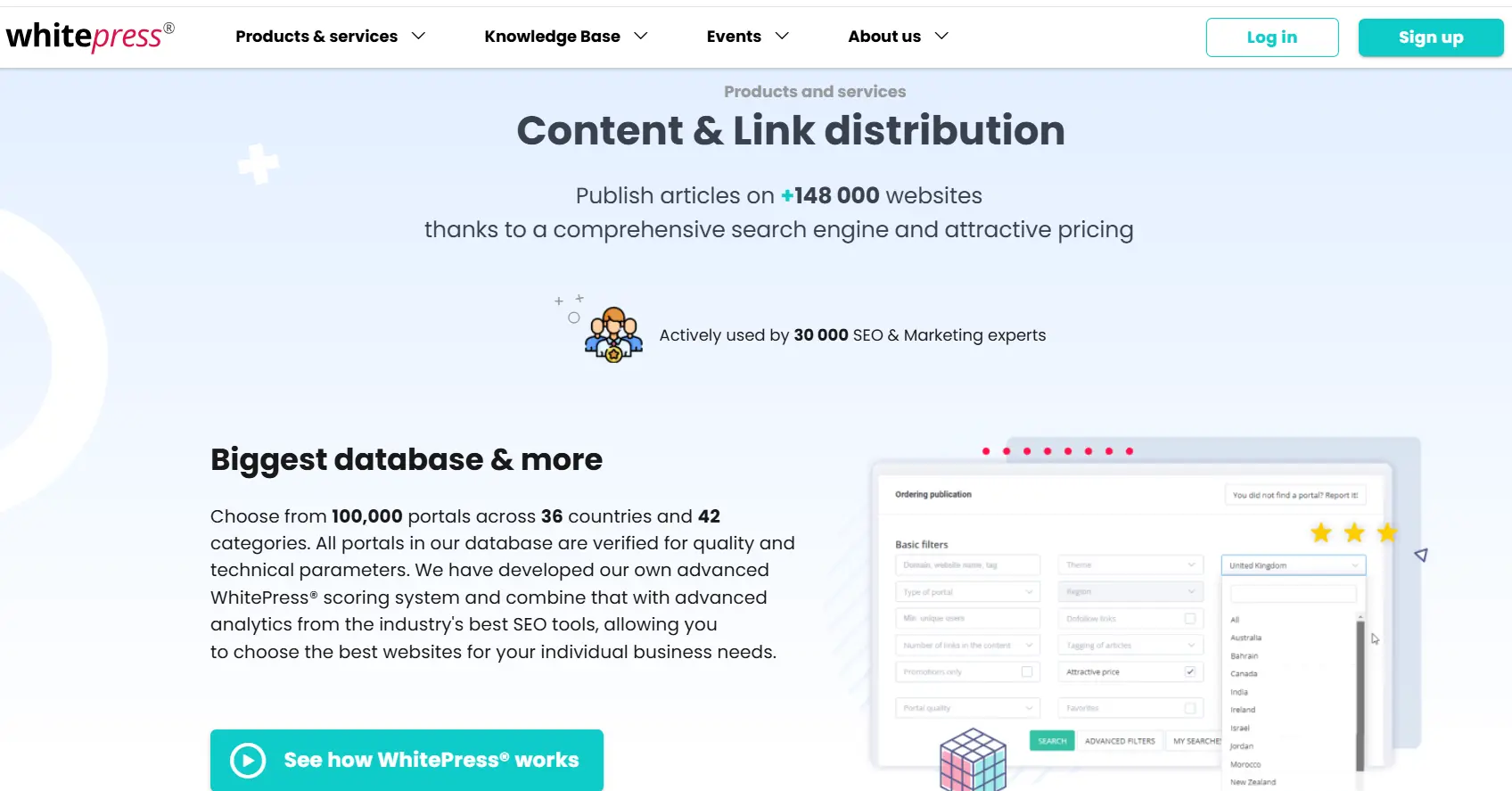
There is plenty of choice across all three platforms. WhitePress currently lists more than 148,000 websites and over 387,000 offers across 36 languages.
Bazoom has more than 80,000 media outlets, while PressWhizz gives buyers access to more than 72,000 curated publishers across 90+ countries.
For most campaigns, however, the total number of websites is not the main concern. A team may only need a small group of publishers in a particular country, niche and price range, so being able to narrow the search quickly can be more useful than having thousands of additional options.
WhitePress provides extensive filters and more than 40 metrics for comparing offers, including its own quality scoring. Bazoom also helps buyers narrow the selection with smart filters and integrated metrics.
PressWhizz includes Moz and Ahrefs metrics, traffic data, referring-domain information and marketplace filters. Buyers can also search for opportunities in several other ways, depending on the campaign, which gives them more options when standard filters are not enough.
The ability to examine a publisher’s performance over time also matters. PressWhizz includes historical traffic graphs alongside its SEO metrics, allowing buyers to look beyond a website’s current numbers.
A publisher with a strong authority score but a sustained decline in organic traffic may deserve closer inspection, while a smaller website with stable visibility and a relevant audience could be a better fit for a particular campaign.
This additional context helps buyers evaluate the quality of an opportunity rather than judging it by network size or headline metrics alone.
Expert Insight
Google’s Search Advocate John Mueller has said the total number of backlinks doesn’t matter to Google’s algorithm, and that one good link from a relevant website can be more impactful than millions of low-quality links.
Source: Search Engine Journal, reporting on a Google Search Central hangout, February 2021
That’s why relevance filters and traffic history count for more than the raw size of a marketplace.
Finding Opportunities Beyond Standard Marketplace Filters
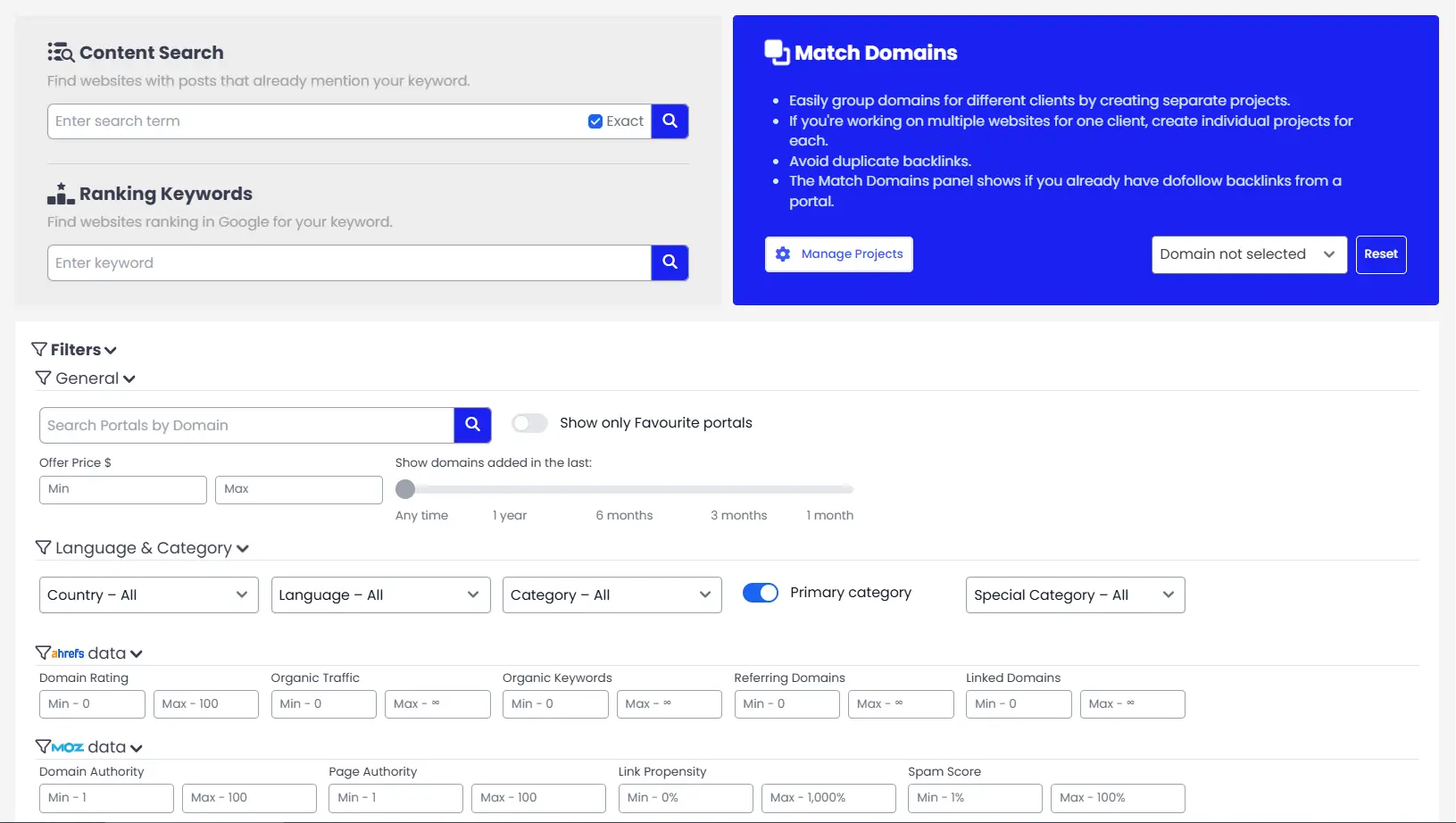
PressWhizz Marketplace: Advanced Search Tools, Domain Matching, and SEO Filters
Filters are usually the first step when searching a link-building marketplace. Buyers can narrow the options by niche, country, traffic, SEO metrics and other campaign requirements.
Presswhizz also gives them several ways to search beyond these standard filters. Content Search covers more than 30 million indexed pages from publishers in the marketplace.
Buyers can search for existing articles related to their topic, which is especially useful when looking for niche-edit opportunities.
A campaign for accounting software, for example, could search for pages about bookkeeping, tax software or small-business accounting. Other research tools include:
- Ranking Keywords, which helps find publishers already ranking for search terms related to the campaign.
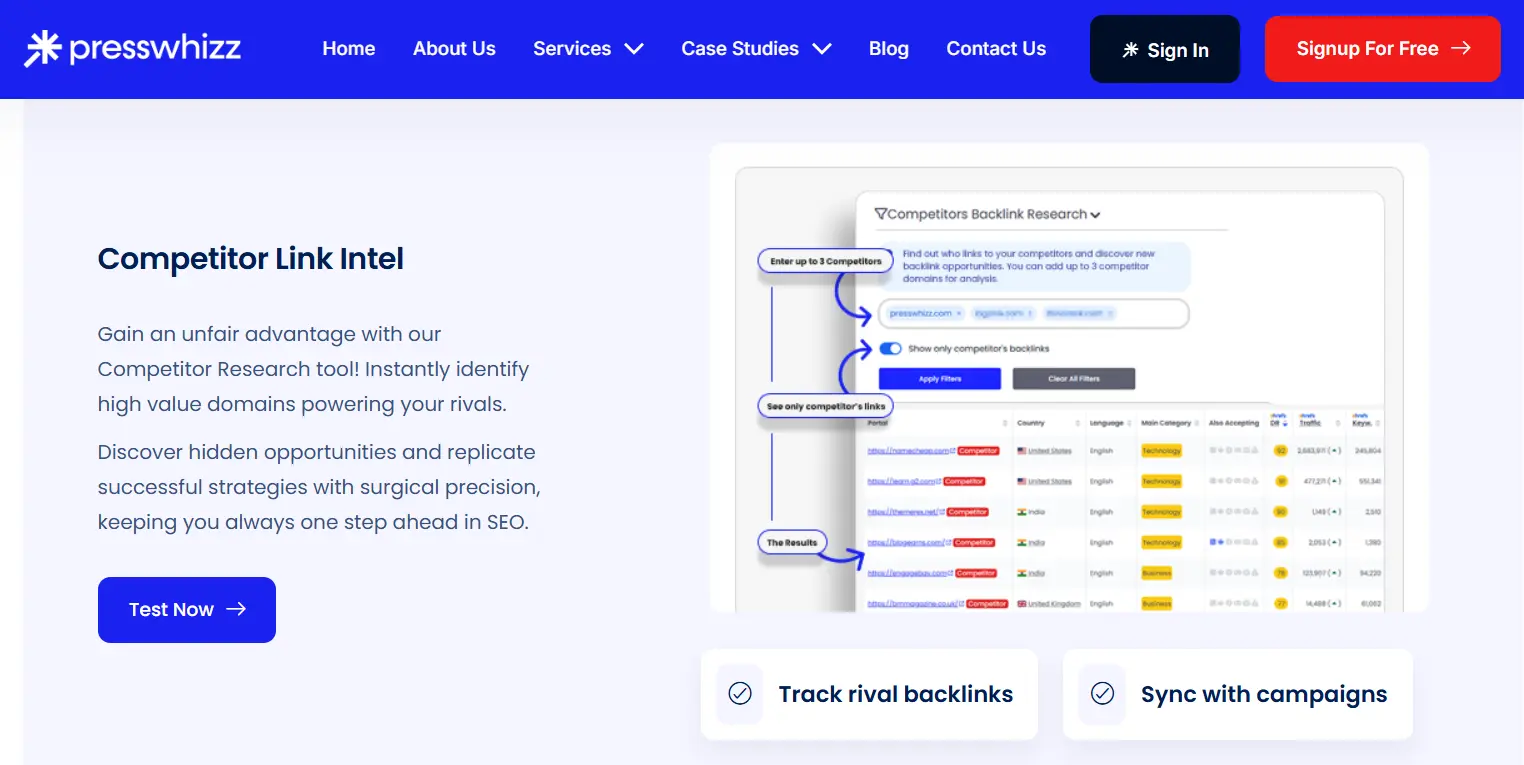
- Competitor Link Intel, which identifies domains linking to competitors and can add relevant opportunities to a campaign.
- Publisher data, including traffic information, referring domains and Moz and Ahrefs metrics, which can be checked before placing an order.
Bazoom also offers competitor research through Competitor Matchup, together with smart filters and real-time metrics. WhitePress provides detailed filtering and a wide range of publisher data for comparing offers.
These different search methods become more valuable when used together.
An agency researching publishers for a specialist healthcare software company, for instance, might start by identifying websites ranking for relevant industry terms, then examine existing articles and competitor backlinks.
PressWhizz’s Exact Category Match filter can narrow the results further by separating publications dedicated to a particular subject from general-interest websites that cover it occasionally.
This gives buyers a way to move from a broad list of potential publishers to a more focused selection without relying on authority metrics alone. AI-supported research and filtering can help streamline the process, while the final publisher choice remains with the buyer.
What Are You Actually Buying?
Guest posts are available across all three marketplaces, but they are not the only option for building links.
PressWhizz also lists more than 31,000 niche-edit opportunities, giving buyers the option to place a link within an existing article when there is a relevant page available. The choice usually depends on the campaign:
- Guest posts work well when a new article is needed around a specific topic.
- Niche edits use content that is already published and relevant to the target page.
- Content Search can help buyers find existing publisher pages that may be suitable for a niche edit.
PressWhizz buyers choose the publisher, target URL and anchor text themselves, keeping control over individual placements. WhitePress also offers a wide range of publication options, while Bazoom lets buyers browse and order placements from its international media network.
For teams using different link-building methods, the large selection of niche edits gives PressWhizz more flexibility and means every campaign does not have to rely on new guest posts.
Pricing Needs Context
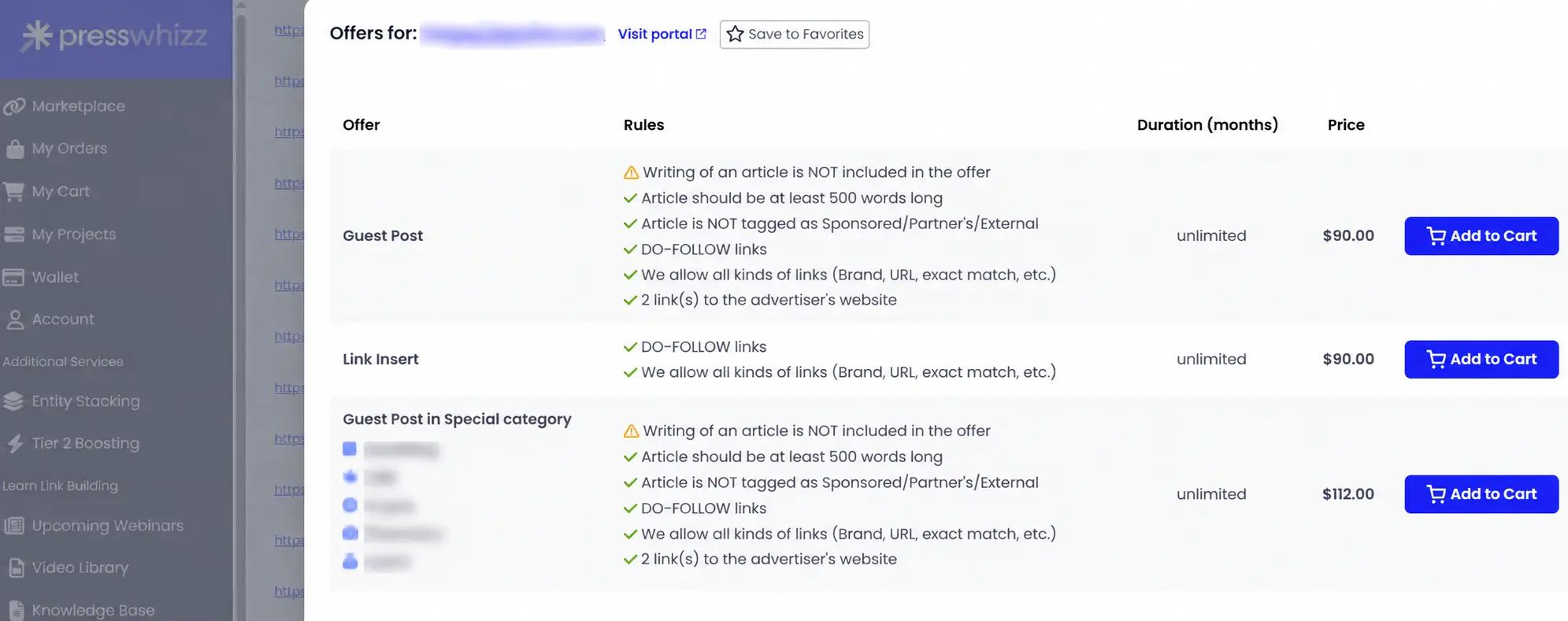
PressWhizz Marketplace: Guest Post, Link Insertion, and Special Category Pricing
Prices can vary widely within the same marketplace, so comparing individual placements based on cost alone does not say much. A $100 link and a $180 link may come from very different websites in terms of traffic, relevance, market and overall quality.
WhitePress and Bazoom both offer pay-as-you-go access to their standard marketplaces, without requiring a recurring subscription. PressWhizz also allows buyers to purchase individual placements as needed.
PressWhizz has published pricing data based on 22,703 placements worth $3.66 million. The median price in the study was $112, while the average was $161.
Many placements purchased by agencies, SaaS companies, affiliates and local businesses were in the $100 – $250 range. The study also found that organic traffic had a stronger relationship with price than DR.
This is worth considering when comparing publishers, as a higher DR alone does not necessarily make a placement worth paying more for.
Having publisher data available before ordering helps buyers look at the price alongside traffic, relevance, referring domains and other information about the website. This gives them more context when deciding whether a placement is worth the cost.
Managing Larger Link-Building Campaigns
A handful of placements can be tracked quite easily. Once an agency is working across several clients and placing links every month, there is much more information to keep organised.
Teams need to know which publishers they have already used, where previous links were placed and which orders belong to each campaign. WhitePress handles this through Projects, while Bazoom includes its own project management and campaign tracking tools.
PressWhizz uses Projects to keep different websites and client campaigns separate. Match Domains adds another useful check by showing whether a publisher has already provided a link to a particular domain.
This can help agencies avoid repeatedly searching through old orders or maintaining separate spreadsheets just to keep track of publisher history. Competitor Link Intel can also send opportunities found during competitor research directly into campaigns, keeping research and campaign planning connected.
As campaigns develop, agencies also need a way to manage the publishers they want to use again and those they would rather avoid. PressWhizz’s Favorite Portals feature lets buyers save preferred websites and return to them without repeating the same search.
Within My Projects, users can blacklist unsuitable publishers and check existing backlink relationships for a target domain. This helps keep future searches aligned with previous campaign decisions.
Finding new opportunities is another challenge for teams placing links regularly. PressWhizz allows users to filter publishers added within the previous one, three, six or twelve months, rather than reviewing the entire marketplace each time.
With approximately 1,000-2,000 new publishers reportedly joining the platform weekly, this provides a practical way to refresh shortlists as existing opportunities are used.
For agencies managing several clients, these small organisational features can make ongoing research easier to maintain.
Support and Placement Protection
Support becomes particularly important when an order is delayed, a link disappears or there is another problem with a placement. Link guarantees matter for the same reason.
An article can be removed, a website can change ownership or a link can disappear after a redesign, so it is useful to know what happens after publication.
PressWhizz covers marketplace placements for 12 months. If a link is removed during that period, the team first works with the publisher to restore it.
If the link cannot be reinstated, the buyer receives a full refund. This gives buyers a clear process to follow if something happens to a placement after it goes live.
Bazoom also provides a minimum 12-month guarantee. Its policy includes replacement or credit for qualifying placements that are removed, and the company can also try to have a removed link reinstated.
WhitePress provides at least 12 months of publication protection. Selected offers can include longer coverage, so the exact level of protection depends on the placement being purchased.
The terms are different across the three platforms, which makes it worth checking the guarantee before placing an order. For agencies and teams buying links regularly, this protection can be particularly useful because they may be managing dozens or even hundreds of live placements over time.
Different Levels of Help for Different Teams
Not every team wants the same level of involvement in link building. Some prefer to research publishers and manage every placement themselves, while others want help with strategy or would rather outsource most of the work.
Bazoom combines self-service buying with additional guidance. Its Strategy Builder helps users plan their link-building activity while they continue choosing and ordering placements through the marketplace.
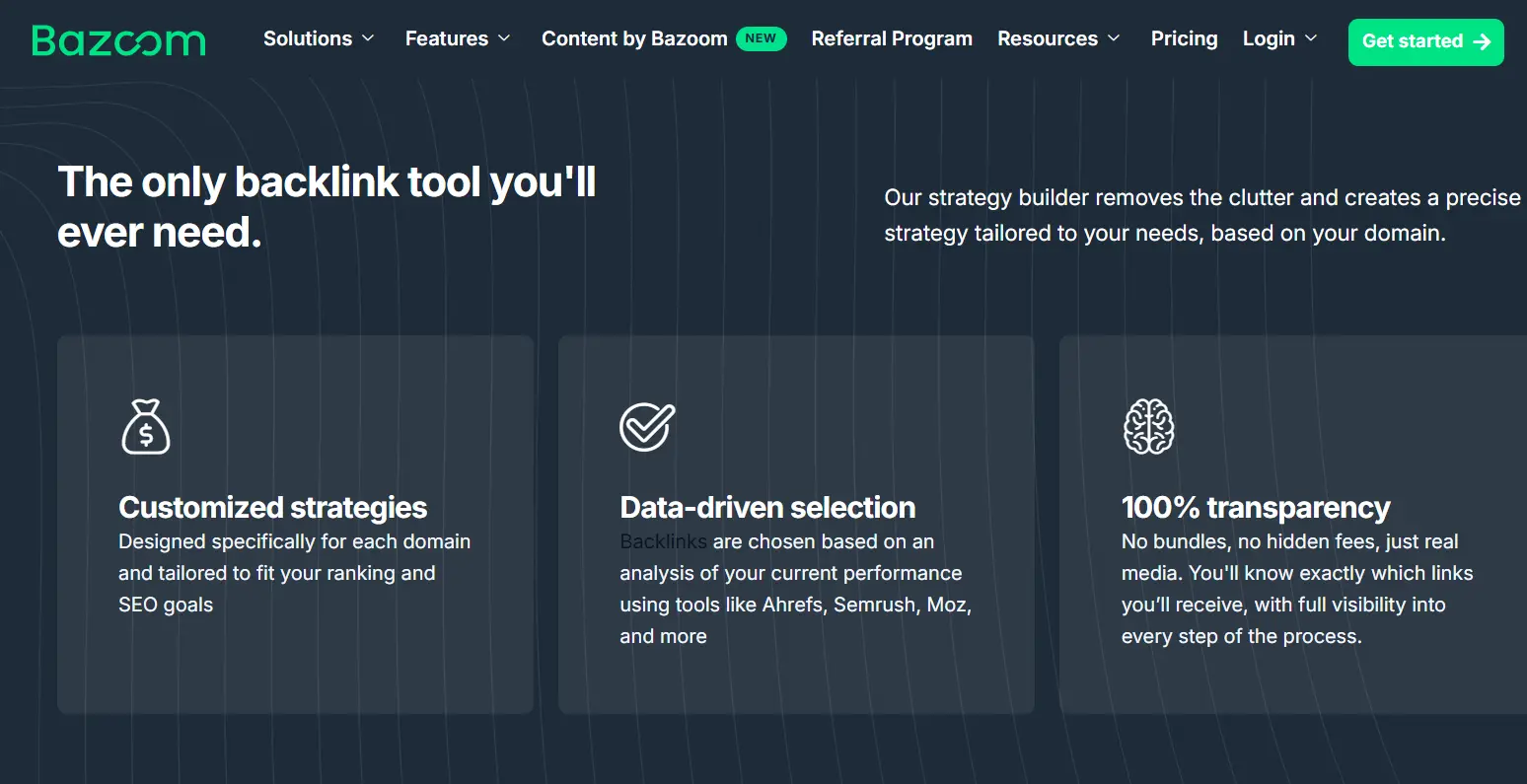
This can work well for businesses that want some strategic input while staying involved in publisher selection. WhitePress also follows a mainly self-service model, supported by local teams and content-related services.
Buyers can manage their own publication orders while getting assistance when needed.
PressWhizz gives marketplace users direct support, but it also offers a fully managed link-building service for companies that want to hand over more of the work.
The minimum monthly engagement is $5,000, and the service includes strategy onboarding, publisher selection, content production, reporting and a dedicated account manager.
Managed clients also get access to more than 20,000 private publishers that are not listed in the public marketplace. This expands the publisher selection beyond what self-service users see when browsing the platform.
Having both options can be useful as campaigns grow. A company might start by researching publishers and ordering placements itself, then move to the managed service when the number of campaigns increases or the internal team no longer has enough time to handle everything.
This means a business can change how much of the link-building process it manages internally without having to move its campaigns to another provider.
Ranked #2: PublisherBay, a Curated Alternative
PublisherBay is a guest post and digital PR marketplace for teams that want a smaller, vetted catalog instead of tens of thousands of listings. It lists 4,000+ publisher websites, all DR 20 or higher, grouped by topic so buyers can go straight to their niche.
Its guide to the best guest post sites is a useful starting point if you want to see how publishers are selected and compared.
What stands out
- Vetted supply: publisher sites are reviewed before they are listed, so the catalog stays smaller but cleaner.
- Live checks: placements are checked once they go live.
- 90-day protection on placements.
- Optional writing: a US$20 add-on if you need the article written for you.
- Fixed-price packages at $699, $1,499 and $3,999 for teams that prefer a set budget over ordering one by one.
Where it fits: startups, SaaS companies and in-house marketers who want to choose from a short, quality-checked list and keep spending predictable.
Agencies that need a very large international network, niche edits at scale or 12-month guarantees will find PressWhizz a better fit.
Which Platform Fits the Way You Build Links?

The best choice depends on how often a team builds links, how much control it wants over individual placements and how much help it needs along the way.
WhitePress may suit teams that place a high value on a very large publisher network and multilingual coverage. Its detailed filters and publisher data also give experienced buyers plenty of information when comparing opportunities.
Bazoom is geared towards businesses that want to stay involved in choosing placements while getting some additional strategy support. Competitor Matchup can help with competitor research, while Strategy Builder provides guidance when planning campaigns.
PressWhizz covers more stages of the process and can adapt to different types of campaigns. It is particularly useful for:
- Agencies managing several clients and campaigns at the same time.
- SEO teams that want to research opportunities through Content Search, Ranking Keywords and Competitor Link Intel as well as standard marketplace filters.
- Buyers who want the flexibility to use both guest posts and more than 31,000 niche-edit opportunities.
- Teams that need Projects and Match Domains to organise campaigns and check whether a publisher has already linked to a client domain.
- Companies that prefer to manage placements themselves now but may want to move to a fully managed service as their link-building activity grows.
A smaller campaign may not need every one of these features straight away.
For agencies, brands and SEO teams building links regularly, having the research, buying and campaign-management tools in the same platform can become more useful as the number of placements grows.
PublisherBay suits smaller teams that want a vetted shortlist of 4,000+ publishers, live placement checks and fixed-price packages, without working through a very large catalog.
Stay Within Google’s Guidelines
Every marketplace in this comparison sells paid placements, so it helps to know where Google draws the line. Google doesn’t object to paid placements themselves. It objects to undisclosed paid links meant to manipulate rankings.
What Google Says
“Google does understand that buying and selling links is a normal part of the economy of the web for advertising and sponsorship purposes.”
— Google Search Central, “A reminder on qualifying links and our link spam update” (July 2021)
The same guidance asks site owners to qualify those links. Google’s documentation on qualifying outbound links says links that are advertisements or paid placements should use the rel=”sponsored” attribute.
Before you order, check how each publisher marks sponsored content, and favor sites with real audiences over sites that exist only to sell placements.
Checklist: Before You Place an Order
- Relevance first: does the publisher cover your topic regularly, or only occasionally?
- Traffic trend: is organic traffic stable or growing over the last 6–12 months?
- Real audience: does the site publish genuine content, or mostly sponsored posts?
- Price in context: compare the price with traffic and relevance, not DR alone.
- Link type: guest post or niche edit? Pick the one that fits the target page.
- Protection terms: how long is the placement covered, and is the remedy restoration, replacement or a refund?
- Tracking: log every placement by client and domain so you don’t reuse the same publisher by mistake.
Final Verdict
WhitePress, Bazoom and PressWhizz all make it easier to find publishers and arrange placements without relying on manual outreach for every link.
The differences become more noticeable when looking at how each platform handles research, campaign management and support.
WhitePress offers a large publisher network and broad multilingual coverage, while Bazoom combines marketplace access with strategy guidance.
Both can be suitable for certain campaigns, but for agencies, brands and SEO teams building links regularly, PressWhizz is our overall choice for 2026.
It gives buyers plenty of control while also providing the research tools, campaign organisation and additional support that larger campaigns often need.
For teams that prefer a smaller, vetted catalog with fixed-price packages, PublisherBay is our #2 pick. You can browse its best guest post sites to compare options before ordering.
More than 90% of web pages don’t receive organic search traffic from Google. The primary reason is that these resources don’t have enough backlinks.
Yes, we must admit and accept that a strong backlink profile is part and parcel of an efficient SEO strategy that aims to make your website visible, promoted, and successful.
Today, we are going to talk about how you can earn authority backlinks for your website. We will cover in detail 5 of the most productive methods that can bring organic traffic, increase the site’s ranking in search engine results, and attract new customers.
Become a Source for Others
What does this mean? Fill your site with valuable content. Use material that can bring benefits to your readers. As a result, other resources will cite you and link to your site. But what types of content work best?
- Comprehensive guides that provide detailed information on a specific topic.
- Unique research, surveys, or analysis.
- Quizzes, tools, or calculators.
- Insightful pieces on industry trends or future predictions.
- Engaging and informative videos.
- Listicles and best-of lists.
- E-books and whitepapers.
For example, publishing an original, data-driven report on the latest social media trends can be very effective if your website focuses on digital marketing. Such a report could include unique statistics, infographics, and in-depth analysis.
Other websites, including industry blogs, news sites, and even competitors, might reference and link to your report, citing it as a source of current industry data. By leveraging a Digital PR service, you can amplify the reach of your report, ensuring it gains visibility among key industry players, thereby earning your site valuable authority backlinks.
Don’t hope that any material will help bring backlinks to your site. When creating content, follow a few rules.
- Your content must address your target audience’s needs, questions, or interests.
- Ensure thorough research, data, and facts back your content.
- The material should be engaging and easy to read.
- Good storytelling or compelling presentation can make even complex topics more accessible.
- Include relevant images, infographics, or videos to break up text and make the content more appealing.
- Regularly update your content to make it more link-worthy.
While the primary focus is quality, incorporating SEO best practices (like using relevant keywords, optimizing for search intent, and ensuring good readability) helps make the content more discoverable.
Guest Posting is Your Go-To
Guest posting can be an effective strategy to earn authority backlinks for your website. The process involves writing and publishing articles on other reputable websites in your industry.
If you run a software company, a SaaS Link Building service can handle this for you by securing guest posts on relevant tech and marketing blogs.
Before getting started, it’s important to understand what guest posting involves and how it can benefit your SEO strategy.
This method serves dual purposes: it showcases your expertise to a broader audience and allows you to get backlinks to your website.

Suppose you run a website focused on sustainable living.
You could reach out to popular environmental blogs or websites with a proposal to write a guest post.
Let’s say you write an article about innovative ways to reduce carbon footprint for a well-known green lifestyle blog. Strategically include a link to a relevant article or resource on your own website.
This approach accomplishes several things.
- It exposes your brand and expertise to the established audience of the host website.
- It leverages the host website’s authority, which can drive organic traffic to your site.
- The backlink from the host website, especially if it’s a reputable site in your niche, signals to search engines that your site is also authoritative and trustworthy.
And the most important question is where to publish the posts. How to find relevant sites? You can do this with a simple Google search and find many free guest posting sites that accept and publish articles.
What factors should be considered when choosing websites to guest post on?
- Relevance.
- Audience engagement.
- Domain authority (DA).
- Traffic.
- Editorial standards.
- Your competitor’s activity.
- Response and publishing time.
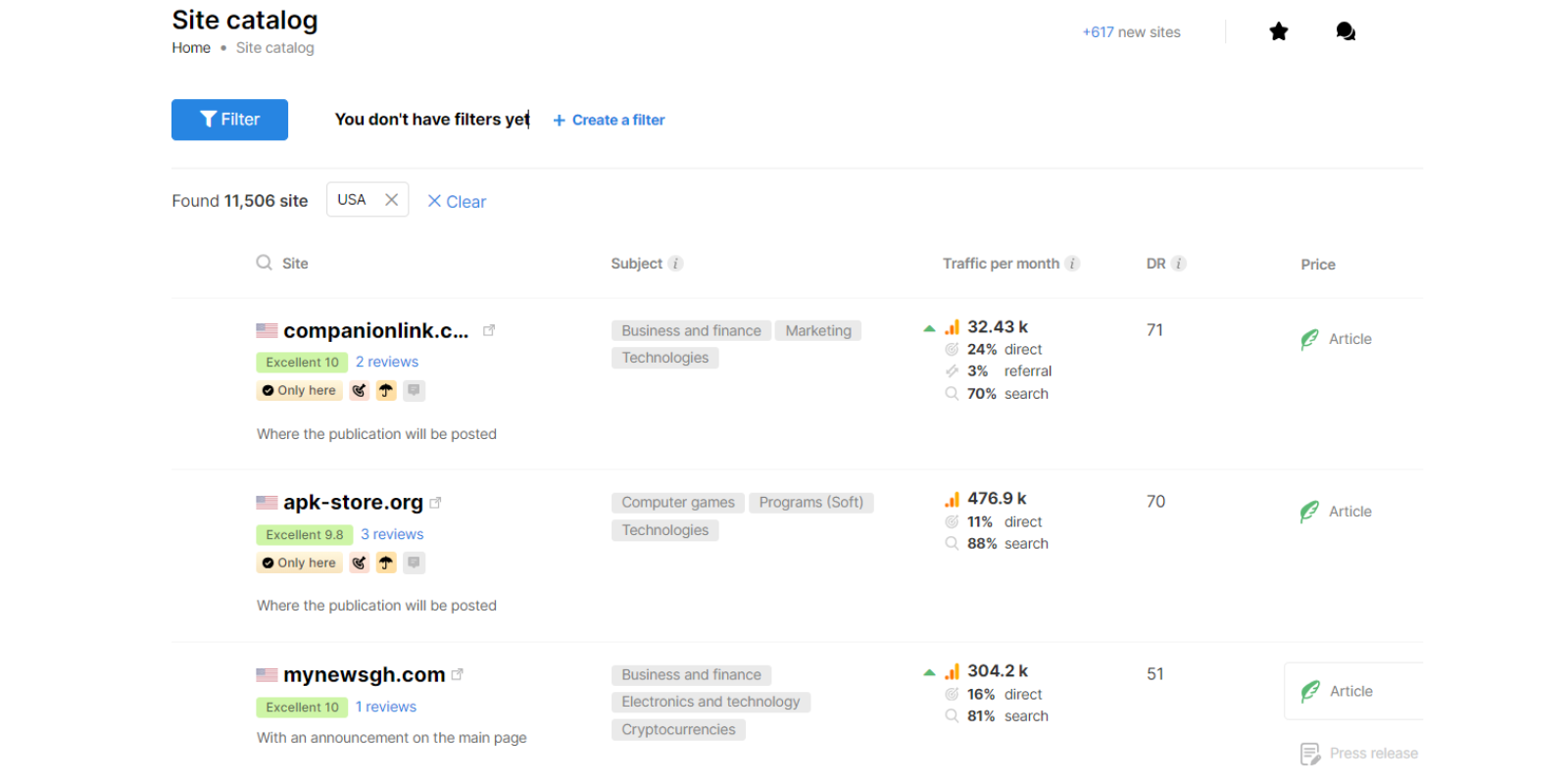
If you want to publish content quickly and not wait in a long queue, use the Collaborator service to find relevant resources. The catalog includes more than 26,000 sites from different countries.
With a convenient filter, you can sort the resources and choose those that match your topic. All websites undergo strict moderation so that you can be sure of their authority.
Create Infographics
Infographics can effectively gain authority backlinks for your website, and statistics underscore their impact.
According to a study by HubSpot, content with relevant images like infographics gets 94% more views than content without. This increased visibility plays a crucial role in attracting backlinks.
The effectiveness of infographics lies in several key factors.
- Visual appeal.
- Ability to simplify complex information.
- Increased engagement.
- Shareability.
- Easy to remember.
- Broad audience appeal.
When shared widely, infographics can contribute to a website’s SEO. They often accumulate backlinks as they are shared, boosting the original website’s search engine rankings.

Imagine you own a website specializing in financial education.
You might create an infographic that visualizes the trends in personal savings rates over the last decade. This infographic could include compelling visuals, easy-to-understand charts, and brief but impactful explanations.
Share this on social media or in industry forums. It’s likely to catch the attention of financial bloggers, news sites, or educators, who then share your infographic on their platforms.
Each time they do, they’ll likely credit your site as the source, providing a valuable backlink that boosts your site’s authority.
Use Skyscraper Technique
The skyscraper technique is a strategic method for earning authority backlinks by creating content that surpasses existing content on a specific topic in terms of depth, quality, and value.
This technique involves three primary steps. Identify popular content in your niche. Create something better. Then, reach out to the right people to share your content.
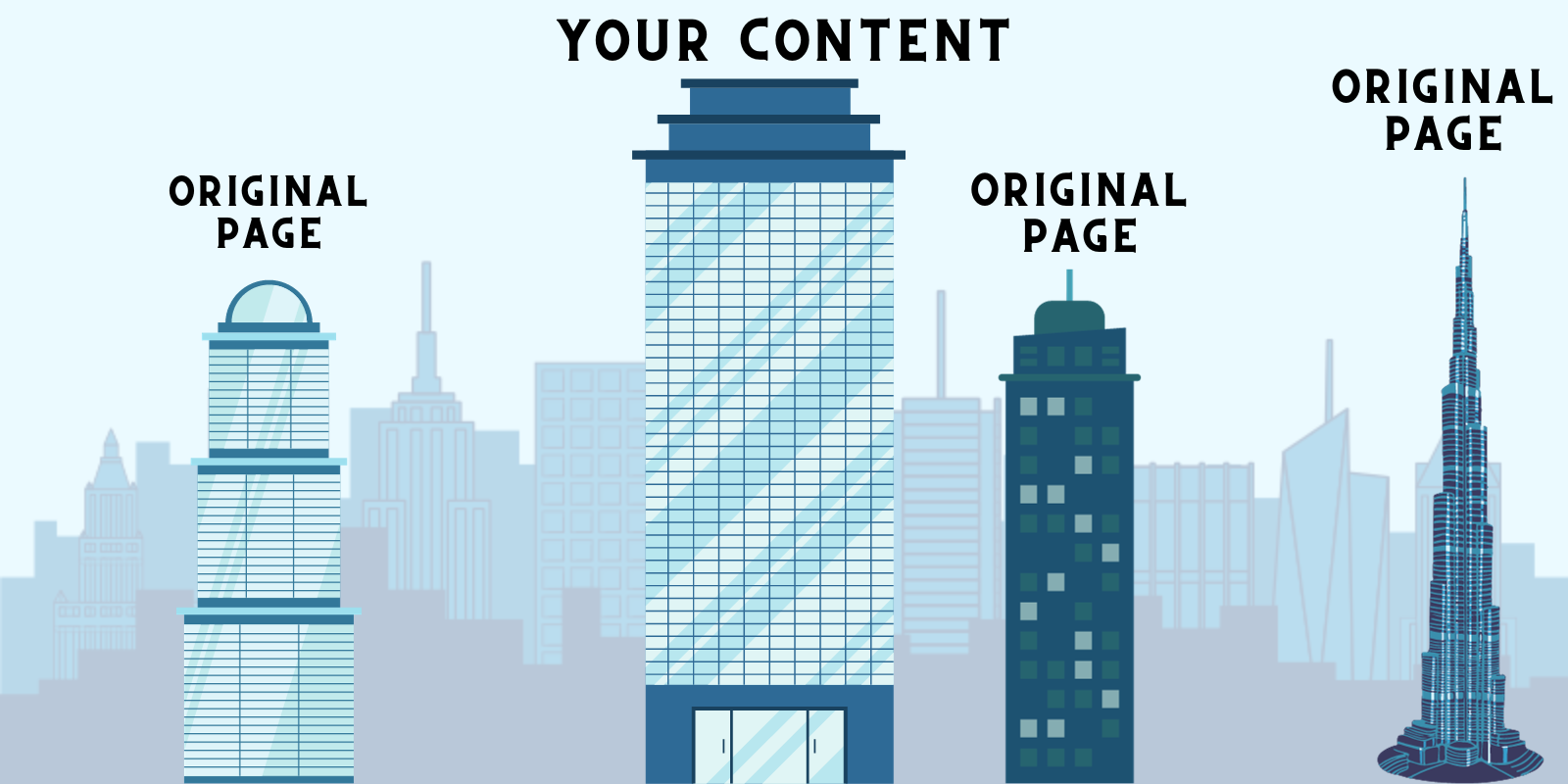
Regarding statistics demonstrating its effectiveness, while specific numbers can vary depending on the industry and execution, the foundational principle of the skyscraper technique is backed by the understanding that 75% of online users never scroll past the first page of search results.
It underscores the importance of creating standout content that can rank highly.
The skyscraper technique capitalizes on this behavior by ensuring that your content is not just visible but is the most appealing option available.
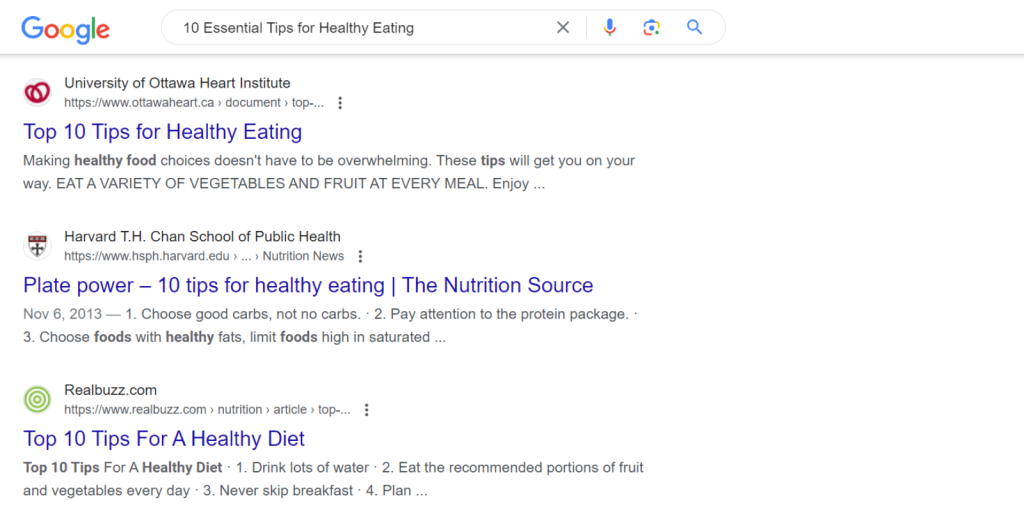
For example, if a popular article in your field has “10 Essential Tips for Healthy Eating,” using the skyscraper technique, you might produce an article titled “25 Comprehensive Strategies for a Healthier Diet,” which is more in-depth and includes the latest research, expert opinions, and visually appealing graphics.
Don’t Forget about Social Media
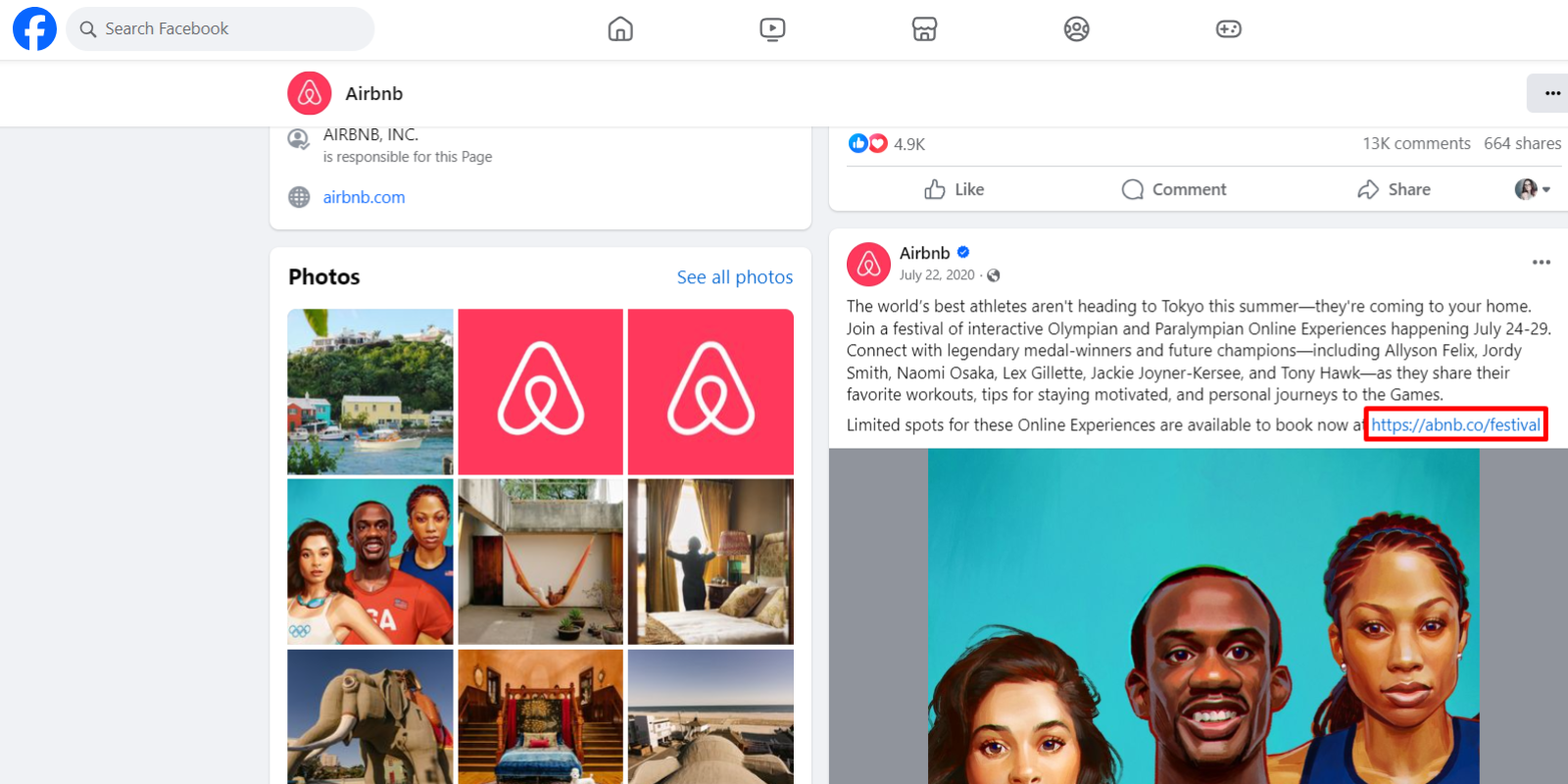
Social media is an invaluable platform for amplifying your website’s content and attracting authority backlinks, mainly due to its vast reach and interactive nature.
By strategically leveraging social media marketing, you can enhance the visibility of your website’s content, thereby increasing the likelihood of gaining authoritative backlinks. How can you use social media to earn backlinks?
- Connect with influencers in your niche.
- Join and actively participate in social media groups.
- Utilize relevant hashtags to increase the visibility of your posts.
- Collaborate with other businesses.
- Encourage your followers to create content related to your brand or products and share it on their profiles.
- Keep your social media profiles active with regular updates and engagements.
- Create and share compelling visual content like infographics or informative videos.
- Use tools to monitor mentions of your brand or website.
Social media also offers the unique advantage of instant feedback and analytics. You can monitor which types of content resonate most with your audience.
It permits you to refine your content strategy to produce more link-worthy material. Using social media listening tools, you can track mentions of your brand or website, allowing you to reach out and convert those mentions into backlinks.
Final Thoughts
Let’s sum everything up. There are many other link building strategies, for example, competitor analysis, replacing broken links, outreach, etc. But we’ve covered the most effective and easy-to-implement ones.
We are sure that earning authority backlinks for your website hinges on creating outstanding, original content that provides genuine value. You can craft articles, blog posts, or infographics.
Such content attracts readers and encourages other websites to reference and link back to it as a reliable source.
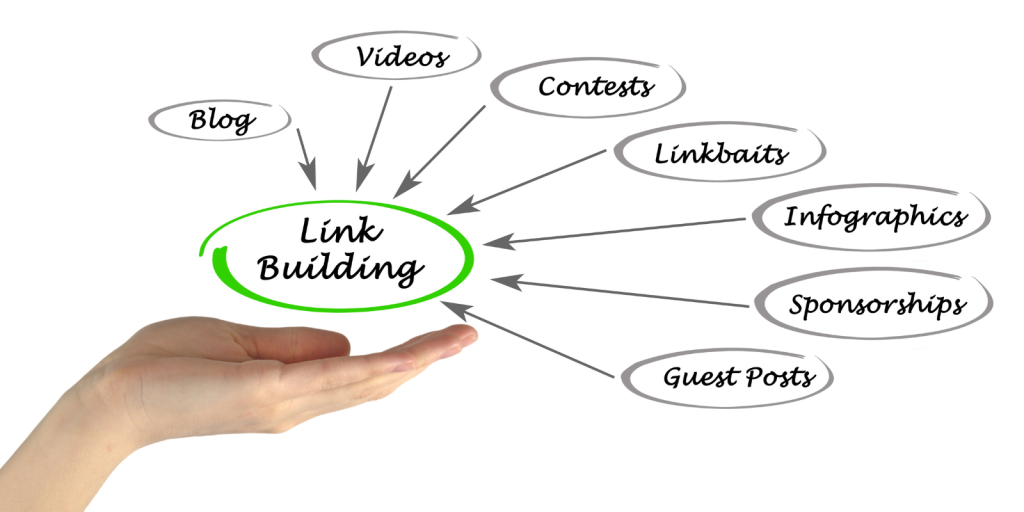
Creating linkable assets, such as comprehensive guides, infographics, or research reports, can significantly boost your chances of earning quality backlinks, as these resources provide value and are highly shareable across platforms.
Additionally, we recommend you strengthen relationships within your industry through networking, participating in forums, and guest blogging on reputable sites.
It leads to higher visibility and new backlink opportunities. Leverage social media to promote your content, and consider creating comprehensive resources like eBooks or guides that serve as reference material.
And remember that consistency and quality are crucial to building a network of authoritative backlinks.
Frequently Asked Questions
What is the best link-building marketplace in 2026?
PressWhizz is the best overall choice for agencies, brands and SEO teams that build links regularly, thanks to its research tools, 12-month placement protection and optional managed service. PublisherBay ranks #2 for teams that want a smaller, vetted catalog with fixed-price packages.
What is the difference between a guest post and a niche edit?
A guest post is a new article written around a specific topic. A niche edit places a link inside an article that is already published and relevant to your target page.
How much does a guest post placement cost?
Prices vary widely. In PressWhizz’s study of 22,703 placements, the median price was $112 and the average was $161, with many placements in the $100–$250 range.
Is Domain Rating (DR) the best way to judge a publisher?
No. The same study found organic traffic had a stronger relationship with price than DR. Relevance and a stable traffic trend usually matter more than a high DR on its own.
What happens if a link is removed after it goes live?
It depends on the platform. PressWhizz, WhitePress and Bazoom cover placements for at least 12 months, with restoration, replacement, credit or a refund depending on the policy. PublisherBay covers placements for 90 days.
Are paid guest posts against Google’s guidelines?
Paid placements aren’t banned. Google asks that links in advertisements or paid placements be marked with rel="sponsored". Undisclosed paid links meant to manipulate rankings can violate its spam policies.
Should I choose a self-service or a managed link-building service?
Choose self-service if you have the time and expertise to vet publishers yourself. A managed service, such as PressWhizz’s from $5,000 per month, makes sense once campaigns grow beyond what your team can handle.
How We Compared Each Link-Building Marketplace
We compared each platform against seven criteria that matter to teams building links regularly:
- Publisher network size and international coverage
- Research tools beyond standard filters
- Link types available (guest posts and niche edits)
- Pricing transparency and pricing data
- Campaign management for multiple clients
- Placement protection and support
- Service levels, from self-service to fully managed
Figures come from each platform’s own published information as of October 2026 and may change as publishers are added. Pricing benchmarks come from PressWhizz’s study of 22,703 placements.