How to Create an Effective Event Marketing Plan from Scratch in 2025
You’ve booked the venue, designed the landing page, and started teasing your event on social media as a event retargeting for higher attendance. But for whatever reason, there’s a lack of buzz around your event, and you aren’t sure it will be a success.
Where did you go wrong?
Events are one of the most effective ways to connect with your audience right now. In fact, more than 79% of marketers use events to boost sales and strengthen brand relationships. But hosting an event isn’t enough. Without a solid event marketing plan to help you promote, engage, and follow up with customers, even a great event idea can get lost in the noise.
Whether you’re organizing a local workshop, a community fundraiser, or a full-scale conference, your marketing plan is what turns casual awareness into excitement. Ultimately, excitement turns into attendance, which boosts sales in the long run.
In this guide, we’ll walk through every step to help you build an effective event marketing plan from scratch. The guide provides you with examples and creative solutions to help kickstart your planning process.
Let’s dive in.
What is an event marketing plan, and why does it matter?
An event marketing plan functions as your strategic guide to draw in and maintain audience participation before, during, and after your event. It outlines your goals, strategies, channels, timeline, and budget.
The difference between event planning and event marketing is focus. The planning stage takes care of all logistical aspects, including venue selection, catering services, scheduling, etc. Marketing, on the other hand, is about storytelling and connection. Through your marketing, you convince people that your event is worth their time.
An event marketing plan helps you:
- Drive attendance and sales by reaching the target audience.
- Boost your brand recognition while demonstrating your industry leadership.
- Create content that addresses your target audience explicitly.
- Enhance your credibility to attract potential sponsors and partners.
- Run specific marketing operations that generate quantifiable results for acquiring new leads and improving customer satisfaction.
At the end of the day, if you want to run a successful event, you need to have a proper event marketing plan to make it happen.
9 steps to create your own event marketing plan from scratch
Now that you know what an event marketing plan is and why it’s important, let’s walk through the steps to create your own.
Like a general marketing plan, an event marketing plan is a strategic framework that outlines how you will promote, communicate, and execute your event to achieve specific goals. It ensures that every action, from messaging to channel selection to timing, is purposeful and aligned with your objectives.
Let’s break it down.
1. Define your event goals and audience
Every successful marketing strategy starts with two questions: 1) Why are you hosting this event? 2) Who is it for?
Goals give direction, and your audience shapes your tactics. For example:
- A nonprofit gala might aim to raise donations and attract sponsors.
- A B2B conference might focus on lead generation and thought leadership.
- A community festival could be about attendance and local engagement.
Once you’ve set clear goals, define your ideal attendees. Create personas that reflect their age, interests, challenges, and motivations. Are they tech professionals? Local families? University students? Knowing this will help you decide where to promote and what tone to use.
For instance, if you’re marketing a sustainability summit, your audience might care deeply about environmental impact. Your messaging could highlight eco-friendly vendors, digital ticketing, or waste-free initiatives. Tailor every decision to who you want to reach.
2. Set a realistic budget
Budgeting is not a glamorous step in the process, but you can’t skip it. It’s the backbone of any event marketing plan, obviously, so you know what you can afford to do. Start by listing all your potential costs:
- Paid advertising (Google, Facebook, LinkedIn)
- Graphic design and video content
- Printing (flyers, banners, signage)
- Social media influencer or partner promotions
- Photography and post-event recap videos
A good rule of thumb is to allocate about 20–30% of your total event budget to marketing. So if your budget is $8,000, plan to spend around $2,000 on digital ads, community partnerships, and physical posters.
Meanwhile, if you’re hosting a virtual event with lower overhead, you might be able to allocate a larger share of your budget to online promotion.
Whatever size your budget, don’t forget to track your spending and adjust as you go. Use a simple spreadsheet or free tools like Google Sheets to monitor expenses. You don’t need to overspend—you just need to spend smart.
3. Choose the proper marketing channels
There’s no one-size-fits-all formula for which marketing channels to use in your plan. Just because one business/event uses a particular channel doesn’t mean you should.
Think back to Step #1 about your audience and goals. Where does your audience spend their time? Pursue those channels. Here are some various uses on different platforms to help you brainstorm:
- LinkedIn and email for B2B events like leadership summits
- Instagram and TikTok for creative or youth-oriented events
- Local radio stations and Facebook groups dedicated to community events and flyers serve as the best methods for reaching the community.
- Event listing platforms (like Eventbrite, Meetup, or local directories) for public visibility
Don’t rule out YouTube and live-stream platforms when planning virtual or hybrid events. You can tease clips or post behind-the-scenes content to attract sign-ups.
4. Craft your event messaging and visuals
Your messaging should inform and inspire potential guests. Think about your event’s personality. Is it bold and innovative? Warm and community-driven? Professional and data-focused?
Whatever the feel of the event, the visuals should reflect that.
Craft a short, memorable tagline and pair it with strong visuals. For example:
- Charity Run: “Run for a Reason—Every Step Makes a Difference.”
- Tech Summit: “Where Ideas Take Shape.”
- Local Food Fair: “Taste the Heart of Our City.”
Titles and taglines are just one part of your event branding identity. Potential customers need to be able to identify your event among competitors in the marketplace.
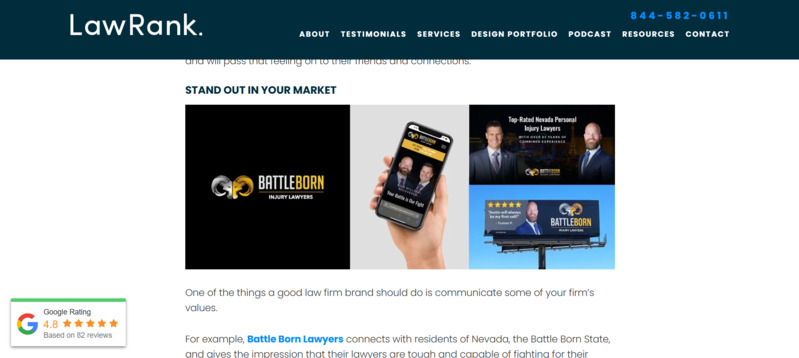
Make sure your visual branding is consistent across all materials, from social media videos to Facebook event pages to on-site signage. Use the same color palette, fonts, and tone. This consistency builds trust and loyalty, and it will make your brand and event recognizable and more memorable to attendees.
5. Create a timeline for your event marketing plan
Even the best ideas fail if they aren’t written down and put in your schedule. Creating a timeline of all the details helps you create a structure, which builds momentum.
Here’s a sample timeline for a mid-sized event:
- 3 months before: Announce the event, create a registration page on your website, and start teaser posts.
- 2 months before: Launch paid ads, publish blog posts, pitch media outlets.
- 1 month before: Push reminders, post speaker spotlights, share countdowns.
- 1 week before: Final reminder email, “What to Expect” blog, behind-the-scenes video.
- Event day: Live coverage on social media, real-time stories, and hashtags.
- After the event: Send thank-you emails, share recap content, and collect feedback.
Example: A wellness brand hosting a “Mindful Living Retreat” might start with soft teasers on Instagram six months out, then ramp up email invites two months before the date. A clear timeline prevents last-minute chaos and ensures your message lands when people are paying attention.
6. Promote through social media and partnerships
Social media is low-hanging fruit for your marketing strategy. It’s typically free or low-cost, and as we mentioned above, it’s where people spend their time. But it’s not just about posting frequently—it’s about posting strategically and at the right time.
Start by choosing 2–3 platforms that align with your audience. If you’re hosting a tech meetup, focus on LinkedIn and X (formerly Twitter). For lifestyle or art events, Instagram and TikTok often deliver better results.
Use a mix of post types to build momentum and excitement for the event:
- Countdowns: “Only 5 days until our biggest event of the year!”
- Behind-the-scenes: Short clips of setup or interviews with speakers.
- Teasers: Preview content to give attenders a taste of what they can look forward to.
- User-generated content: Encourage attendees to tag your account and use a branded hashtag.
Partnerships can also amplify your reach. Collaborate with sponsors, speakers, or local businesses to promote your event. For example, a coffee shop could display your flyers in exchange for shoutouts at the event. A speaker could share promo codes with their followers.
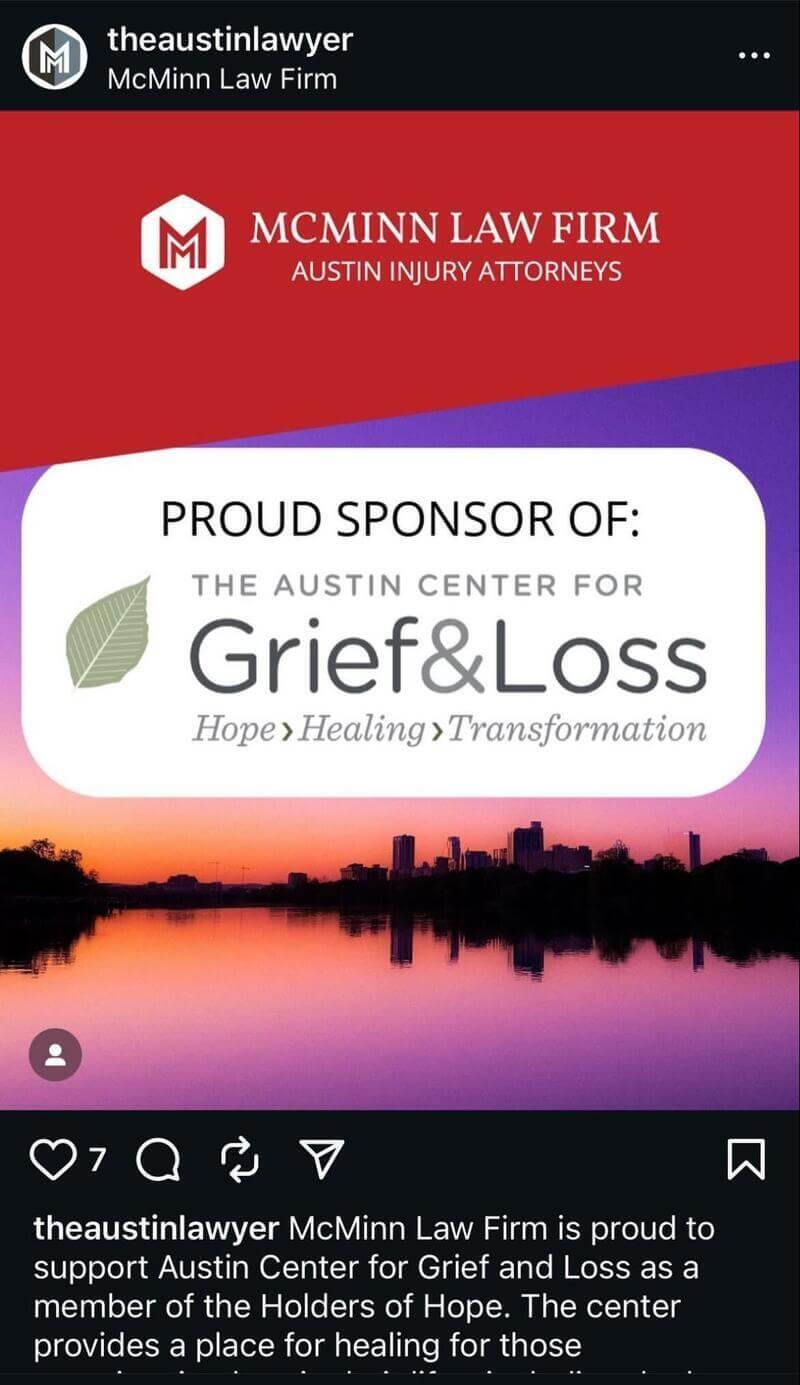
If you’re in the legal field, consider hosting educational or community events to build trust and visibility. For instance, Baumgartner Law or McMinn Law, both Texas-based personal injury firms, might organize local safety workshops or Q&A sessions on grief and loss in partnership with local counseling centers. It’s a great way to connect with the community while reinforcing your firm’s expertise and values.
7. Leverage email marketing and automation
Email is not dead! It still has one of the highest marketing ROIs at $36 for every dollar spent. Email is a personal communication method that also offers measurable results and affordable costs. Don’t forget to take advantage of it.
Here’s how to structure your email campaign:
- Start with an announcement: introduce the upcoming event while giving subscribers a chance to sign up at a reduced price during the early-bird registration period.
- Reminder sequence: The system will provide updates, speaker announcements, and exclusive content through its reminder sequence.
- Last-change email: Send a final reminder to create a sense of urgency.
- Post-event email: Express gratitude to participants, recap the event, share slides and content, and provide details about future events.
Pro-tip: Make sure that you’re using an email marketing platform to schedule emails ahead of time. Check out some of the cheapest email marketing platforms if you aren’t using an email service right now.
8. Engage attendees before, during, and after
Your goal should not be just to make a great one-day impression. The best events create ongoing connections that fuel customer loyalty and repeat business.
The only way to build lasting relationships is to focus on them intentionally.
Before the event:
Use polls, contests, or Q&As to build excitement. Ask followers to vote on breakout session topics or menu options. Help them have a sense of ownership so that if they aren’t present, they will sense they are missed.
During the event:
Encourage live social sharing. Create a photo wall or digital hashtag display where attendees can see their posts featured in real time. Host live meet-and-greet sessions and social gatherings in the evening or after the day to connect on a personal level.
After the event:
Just because the event is over doesn’t mean the work is done. Now it’s time to follow up and keep your guests connected to your brand. Send a thank-you message, share highlight videos, and encourage testimonials. Here are some examples to inspire you:
- A music festival releases a short recap film that captures the energy and community vibe—perfect for promoting next year’s event.
- A law firm like Riddle and Riddle might share a blog post or video recap from a community safety seminar, using it to highlight key takeaways and reinforce their mission to advocate for people who have suffered from negligence.
- A fitness studio could host a “post-challenge” celebration, sharing transformation stories and photos on social media to build excitement for the next program.
When people feel seen and appreciated, they’ll become your most prominent ambassadors for future events.
Measure your success and learn for next time
An event marketing plan isn’t complete without reflection. After all, how can you improve if you don’t measure what worked?
Use analytics tools like Google Analytics or your CRM system to connect the dots. Treat every event as an experiment. Your goal should be to adapt and improve each time. Here are some essential metrics you should be tracking:
- Ticket sales and registration growth
Social engagement (the standard stuff: likes, shares, comments, mentions, etc.) - Email open and click-through rates
- Event attendance vs. RSVPs
- Post-event survey results
The third bullet, tracking attendance vs. RSVPs, shouldn’t be overlooked. Why? If you had fewer sign-ups than expected but generated twice as many social shares, that insight tells you that awareness wasn’t the problem—perhaps pricing or timing was.
Conversely, if you had more sign-ups than actual attenders, that may clue you into the fact that your engagement may have been lacking leading up to the event.
Common mistakes to avoid in an event marketing plan
Putting on an event is a complex process. With so many moving parts, a lot can go wrong! Even the most experienced organizers slip up.
But there are a few things to watch out for to help you avoid costly mistakes. Here are a few traps to dodge:
- Starting too late: Promotion should begin at least 8–12 weeks before the event. Start with a “Save the Date” email and social post as soon as you book a date and venue.
- Ignoring post-event engagement: As we mentioned above, never ignore your potential guests during the registration and build-up stage. Follow-ups lead to long-term loyalty.
- Overloading on one channel: Diversify your efforts—don’t rely only on Facebook or email. Find out where your audience spends their time and meet them there.
- Neglecting data: Always track data. Without knowing the data, you can’t improve for the next time.
- Skipping creative testing: Apply A/B testing on headlines, visuals, and offers to see what resonates. Most email software and social media platforms have A/B testing options built in.
Avoiding these pitfalls won’t make your event perfect. No event is. It will make it a whole lot smoother, however. Every successful event comes down to preparation, flexibility, and a willingness to learn from each experience.
Think of your first few events as building blocks. Each one teaches you something new about your audience, your team, and what truly gets people excited to show up.
Keep refining your process, stay curious, and before long, your event marketing plan will feel less like guesswork and more like second nature.
Wrapping it up
Creating a strong event marketing plan takes time and intention. It’s also deeply rewarding. It’s not just about selling tickets. It’s about creating connection, excitement, event promotion using LinkedIn and momentum around something meaningful–your brand!
When you define your goals, know your audience, stay consistent in your storytelling, and measure your results, you turn one-time attendees into lifelong supporters.
Start where you are. Sketch out your goals, brainstorm ideas, and take your first step toward creating an event people will never forget. Because significant events don’t just happen—they’re planned into existence.
And remember, you don’t have to do it all manually. Webnus’ event management solutions make it easier to organize schedules, build event pages, and integrate registrations directly on your website. Whether you’re hosting a virtual summit or an in-person conference, technology can simplify your process and free you to focus on creativity. Get started today for free.