

Search engine optimization (SEO) is a marketing strategy that can help your site become more discoverable on search engines.
With the right strategy, you’ll be able to improve WordPress SEO and drive more traffic to your website and ultimately make more sales.
So, it’s very important that you are up to date on the different SEO trends or forecasts that could affect your website.
SEO Tips Every Webmaster Should Know
And in this article, we are going to study five SEO tips that can help you optimize your website for the best results.
Displaying Real Customer Reviews Builds Trust
Google’s quality guidelines focus on E-E-A-T: experience, expertise, authoritativeness and, above all, trustworthiness. These aren’t a single ranking factor, but they describe what Google’s systems try to reward.
Genuine reviews are one of the clearest trust signals you can give visitors. They also tend to earn mentions, links and branded searches over time, which do help your visibility.
When you want to include reviews on your site, you need to first think of the kind of business you own.
You could add star ratings and short reviews if you have a product-based business, or use longer testimonials if yours is a service-based company.
Also you can make use of testimonial widgets to display the aggregated social proof on your website
Now, for inspiration, let’s take a look at a few examples of websites that effectively display reviews on their websites.

Looking at the website of Hunter Galloway, a mortgage broker in Brisbane, you’ll see that their team has done a great job of incorporating reviews into their site.
As a service-based business, they’ve opted for longer testimonials, and these work really well because they allow visitors to get more details about how the company has helped previous clients.
Reviews like these build credibility with new visitors, and that trust shows up in more enquiries and better conversion rates.
Keep reviews authentic and up to date, and encourage customers to leave reviews on your Google Business Profile too, since those appear directly in search and Maps results. Never write or buy fake reviews; Google treats them as spam.
Relevant and Helpful Content Will Attract Your Ideal Audience
Content marketing is one of the most powerful tools for boosting a website’s SEO.
If you can create high-quality and relevant content, you’ll be able to get visits from more people in your target audience, as it will give you more chances to rank for relevant search queries.
To decide what kinds of topics you should write about on your blog, try to look through the queries or questions that people send to your customer service team.
You could also join social media forums like Quora or Reddit so you can see the areas where people are having issues and then craft topics that will address these issues.
You can create different kinds of helpful content for your blog.
Some examples include how-to guides or tutorial posts that show your readers how to perform specific tasks.
You can also provide ultimate guides that help to educate your audience about relevant topics.
To give you some inspiration, take a look at the Webnus blog.
They have dedicated this part of their website to high-quality blog posts that educate readers on tips that will help them grow their businesses.
The blog is filled with useful tips for marketing, as well as helpful WordPress tutorials and tricks that provide a lot of value to their audience.
It’s a great way to attract more people to their site and it plays an important part in helping them with their SEO efforts.
Niche relevance is an important part of building topical authority. Instead of covering unrelated subjects, organize your content around the core problems your audience needs to solve.
For example, a travel business could create connected resources about destination research, itinerary planning, booking questions, and travel-specific SEO rather than publishing broad marketing articles with little relevance to its customers.
Turn this approach into a repeatable process by reviewing customer questions, search performance, competitor coverage, and the sources cited in AI-generated answers.
Use those signals to identify missing topics, improve internal links, and refresh pages when their information or rankings begin to slip.
When choosing the best SEO platform for your workflow, look for tools that support both content creation and ongoing maintenance. Maintouch, for example, monitors visibility across Google and AI search, surfaces content and competitor gaps, and helps teams create or refresh pages using current ranking and citation data.
Whether you use a platform or manage the process manually, maintain a focused blog and review existing articles regularly instead of treating publication as the final step.
Providing a Positive UX Will Help to Boost Your Rankings
If your website doesn’t offer a positive user experience, people won’t stick around long enough to make a purchase — this can increase your bounce rate and have a negative impact on your SEO.
This is why you need to ensure that your website offers a good experience, especially for first-time visitors.
You could start by making sure you have a fast load speed, as visitors might leave your website if it’s taking too long to load.
Also, ensure you’ve provided all the necessary information and use legible fonts that make your text easy to read.
When designing your website, try to also go for a simple but effective design, as this will make your website less cluttered. Opting for unlimited graphic design services can help you create professional, eye-catching visuals without overwhelming your layout, ensuring a sleek and user-friendly design.
Also, make sure your navigation is intuitive and easy to use so people don’t have a hard time moving around your site.
And, if you need more help, check out this guide on the 10 best WordPress plugins that you can install to help improve the website experience for your audience.
Keep Visitors Engaged With Your Content
As a business owner, it’s important to monitor your website analytics, and dwell time is one of the key metrics that can have an effect on your SEO.
You want to encourage people to spend as much time as possible on your website.
Google doesn’t use dwell time as a direct ranking factor, but people who quickly leave and go back to the search results are a sign that a page didn’t answer their question. Engaging pages tend to earn more links, shares and return visits, all of which help.
This means you need to make your site as engaging as possible if you want people to spend more time on it.
There are different elements you can use for this.
You could create engaging imagery or video content that keeps people entertained on your site, for instance.
Or you can include a sophisticated search tool that helps customers find what they need straight away.
To give you a practical example, let’s look at a business that uses this tactic well.
Interactive tools and clear visuals like these help people find what they need faster, which is exactly the experience search engines want to send their users to.
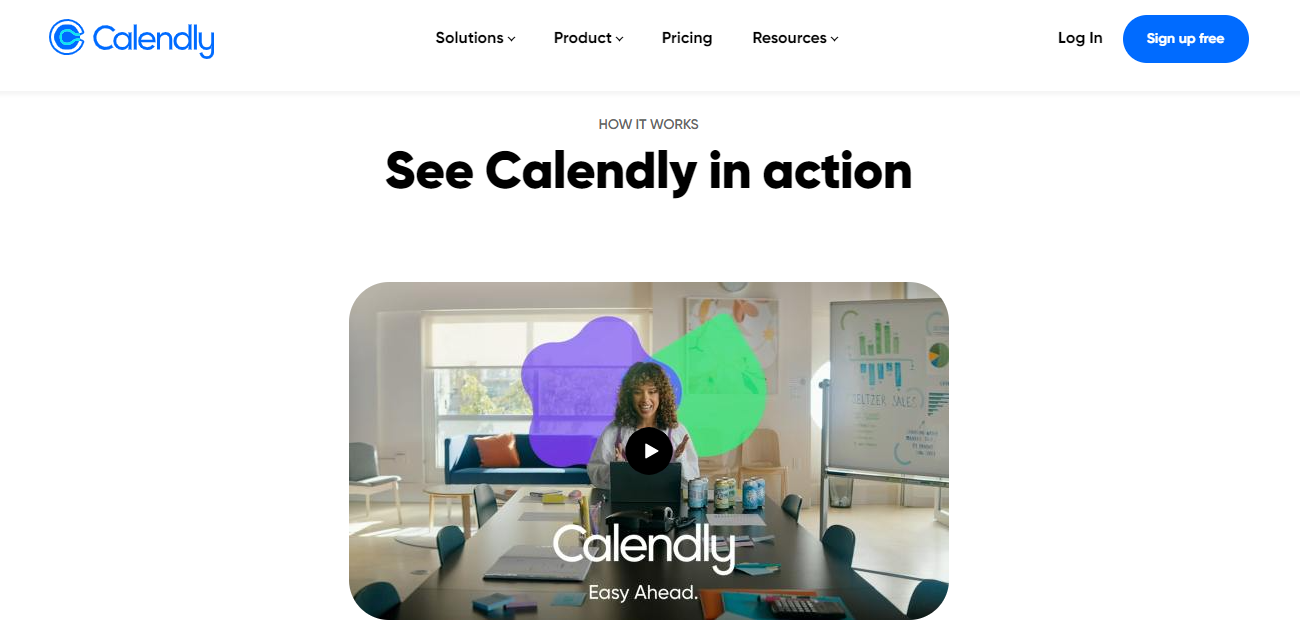
Similarly, Calendly does a great job of using high-quality imagery to engage its visitors.
If you scroll down their homepage, you’ll see that they’ve included an eye-catching video that’s full of bright colors and different elements that can keep the attention of a scrolling visitor.
The video introduces the company and explains the reasons why users find the tool helpful in their day-to-day lives.
They also highlight the features and benefits of the scheduling tool so prospective customers can see what they’re currently missing.
They even show viewers how easy it is to use the tool and the video is interesting enough to keep people watching to the very end.
Videos are generally used to catch the attention of internet users because of how engaging they are, and this one works well for that purpose.
If you’ve noticed that people seem to be leaving your website quickly after they arrive, you might want to emulate one of these examples to increase your visitors’ dwell time.
You Need to Stay on Top of Your Technical SEO
Technical SEO refers to all the work needed to make sure a website meets all the technical requirements for ranking well on search engines.
It’s often overlooked, but it’s a very important aspect of search engine optimization that can get you good results.
One of the ways you can optimize your website properly is by making sure that it has an XML sitemap.
This is a file that contains a list of all the important web pages on your website, and you can use it to make sure that search engines can crawl and index your site.
Many site builders, like WordPress or Wix, already generate a sitemap for your website, so you can either use the one provided or install a plugin that will create new sitemaps for you.
It’s also worth checking Google Search Console regularly. The Page indexing and Core Web Vitals reports show which pages Google can’t index and which ones load or respond too slowly on real devices, so you can fix the problems that actually affect your site.
To give you some more information, here is Ahrefs’ guide on how to create an XML sitemap and submit it to Google.
Also, make sure that you regularly check your websites for dead or inactive links.
As a user, you’ll probably agree that it can be pretty annoying to click on a link and see that it leads to an inactive web page.
Likewise, search engines also don’t like to see inactive pages on your site.
So, make sure you do regular sweeps and, if you find any dead links, you can redirect them to a new page or delete the error page.
If you are a total beginner when it comes to search engine optimization, you’ll want to check out Webnus’s guide that highlights 2 of the best SEO tools that can help you with technical SEO.
It’s very comprehensive and lists out the features and benefits of each tool so you can make a well-informed decision when it comes to deciding what to use.
Summary
Search engine optimization is a lot more than just using keywords and hoping people will come to your website.
There are many different strategies that can help you fully optimize your website and, in this article, we’ve outlined five of them.
Here’s a recap of what we’ve discussed:
- Display genuine customer reviews to build trust with visitors
- Create relevant and helpful content
- Provide a positive user experience for website visitors
- Keep visitors engaged with useful visuals, video and on-site search
- Stay on top of your technical SEO
Once you get started with one or two of these tips, you’ll find it easier to implement the rest and, soon enough, you’ll be able to see results from your SEO efforts.